Oleg’s Trip to Riyadh

Oleg Torbosov spent exactly five days in Riyadh, visiting the city to get a firsthand look at the local real estate market and assess its investment potential. The goal was to understand what the Saudi capital has to offer investors.
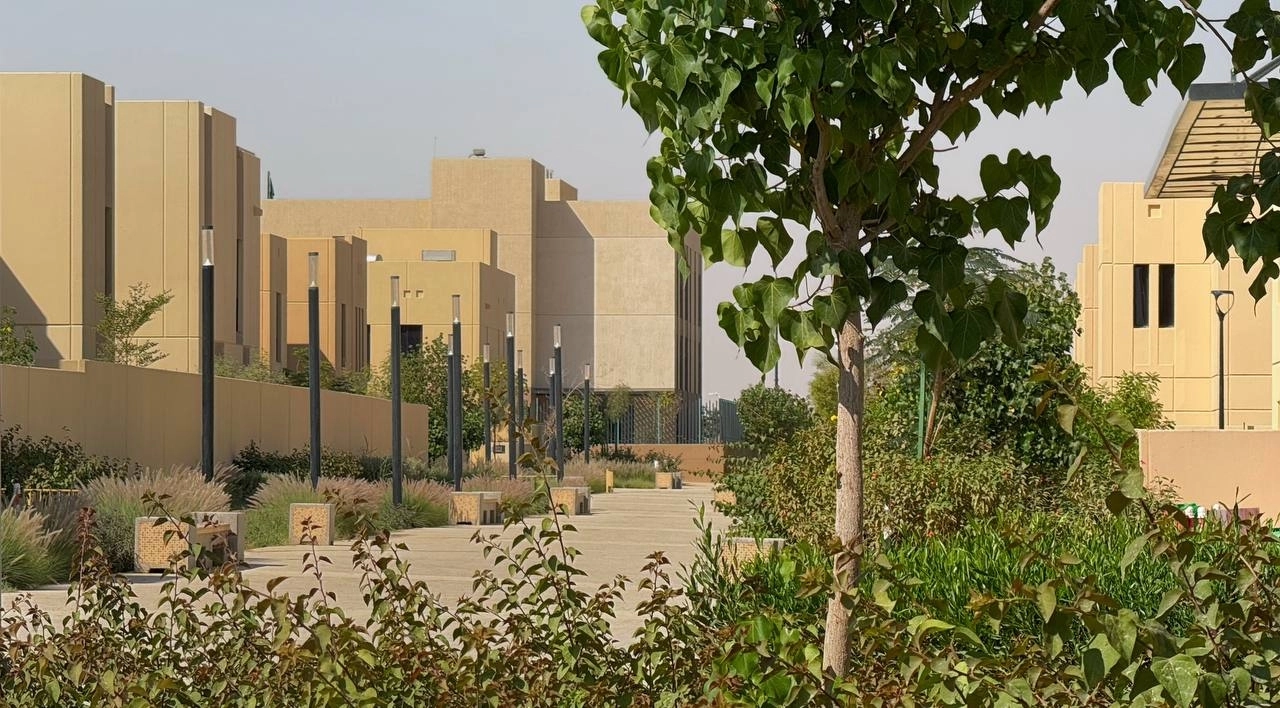
The first two days were spent touring villa communities that all looked remarkably similar—in terms of architecture, amenities, and overall concept. There was little in the way of distinctive design. As it turned out, none of these developments were available for purchase by foreign buyers, which raised some questions.
Most of the projects seemed to have been built from the same template: thousands of identical villas, small windows, compact bedrooms, tiny yards, solid privacy walls, and brightly colored plastic playground equipment.
Because of Islamic laws, shared swimming pools and gyms are generally not available. Separate facilities for men and women are not particularly popular either, so many developments simply do without pools altogether. Apartment projects often don't even have proper lobbies. You drive into a tiny parking area and find yourself directly at the elevator. There might be a small rooftop pool—and that's about it.
Apartments range from $300,000 to $600,000, while penthouses can cost around $1.5 million. Interiors tend to be fairly austere.
At the same time, the city is attracting large numbers of highly paid European professionals, creating clear demand for better-designed homes. PwC, for example, has hired more than 500 people in Riyadh since the beginning of the year, making it the company's highest-paying office globally.
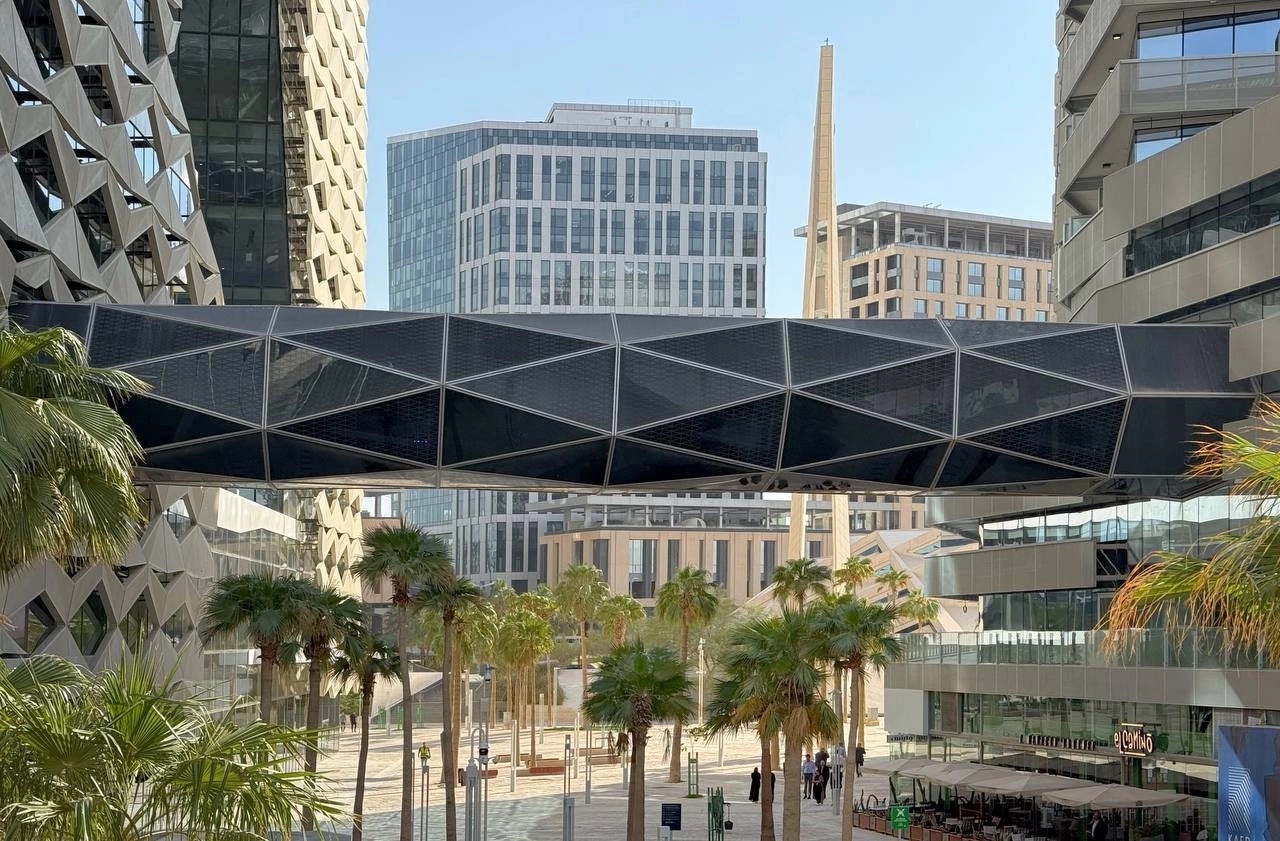
Outside a handful of upscale districts, Riyadh can feel a lot like Deira in Dubai. Major international brands have also been slow to establish a presence here, with names such as Mandarin Oriental and Bulgari still largely absent.
The overall impression is that Saudi Arabia has yet to fully decide how open it wants to be to foreign investment. Instead of full ownership, foreigners may in some cases only be able to acquire property on a long-term leasehold basis. Whether this approach will help attract capital, create jobs, and drive broader growth in the real estate market remains an open question.
During a tour, Oleg asked the guide, “How do you like the city?”
“I hate Riyadh,” the young woman replied.
She had married a foreigner and moved to Riyadh with him. She also said that the capital has nightlife, alcohol, and plenty of other things that might come as a surprise to outsiders.
Later, Oleg struck up another conversation at Garage, a fashionable startup accelerator housed in what used to be the royal garages. The space is now home to 16 companies founded by Russian-speaking entrepreneurs.
The founder of an online personal stylist app told him, “Guys, you need to build some decent housing here. All the homes are so awful. We have to live in Dubai and fly here for lectures and meetings.”
“You live in Dubai too?” Oleg asked.
“Yes. Everyone who can afford it lives in Dubai.”
Renting a one-bedroom apartment in a good neighborhood costs around $40,000 a year. In a more ordinary area, expect to pay $15,000–$20,000.
Taxi drivers rarely speak English, so that's worth keeping in mind if you're planning to move to Saudi Arabia or travel around the country.
Oleg also attended a football match featuring Cristiano Ronaldo, arguably the city's biggest star. The Portuguese forward made several mistakes but still found the net as his team beat the Abu Dhabi-based club 5–1.
The Saudis came across as exceptionally welcoming. Everywhere we went, people offered us chocolate and coffee, invited us into their homes, and went out of their way to make us feel welcome. They also have enormous confidence in the future of their country. Locals kept saying that we should come back to Riyadh in 2030, when many of the city's ambitious megaprojects are expected to be completed.
We'll be watching the city's development with interest. For now, though, we think this market is worth a closer look for property flippers.



Best UAE Developments:

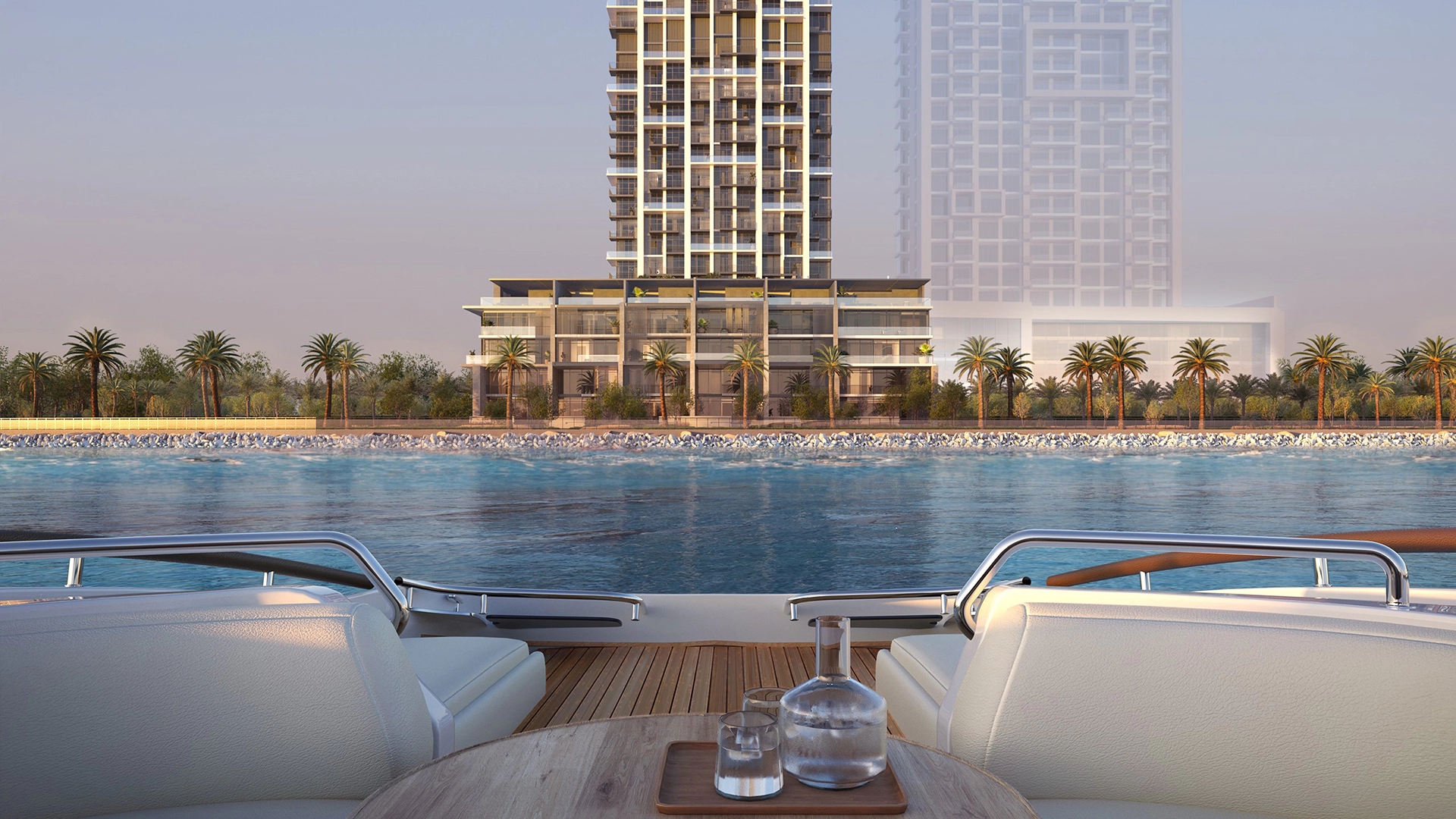


ANWA ARIA is a new project with apartments in Dubai Maritime City neighborhood, located 20 minutes from the main points of the city. The complex features compact studios, apartments, duplexes, townhouses and penthouses. Amenities include a swimming pool, a rooftop podium with private garden and sea views, a gym, a yoga studio, outdoor terraces, a children's playground, first floor stores, direct access to the park and promenade.
| Lots | Area from |
Price from
|
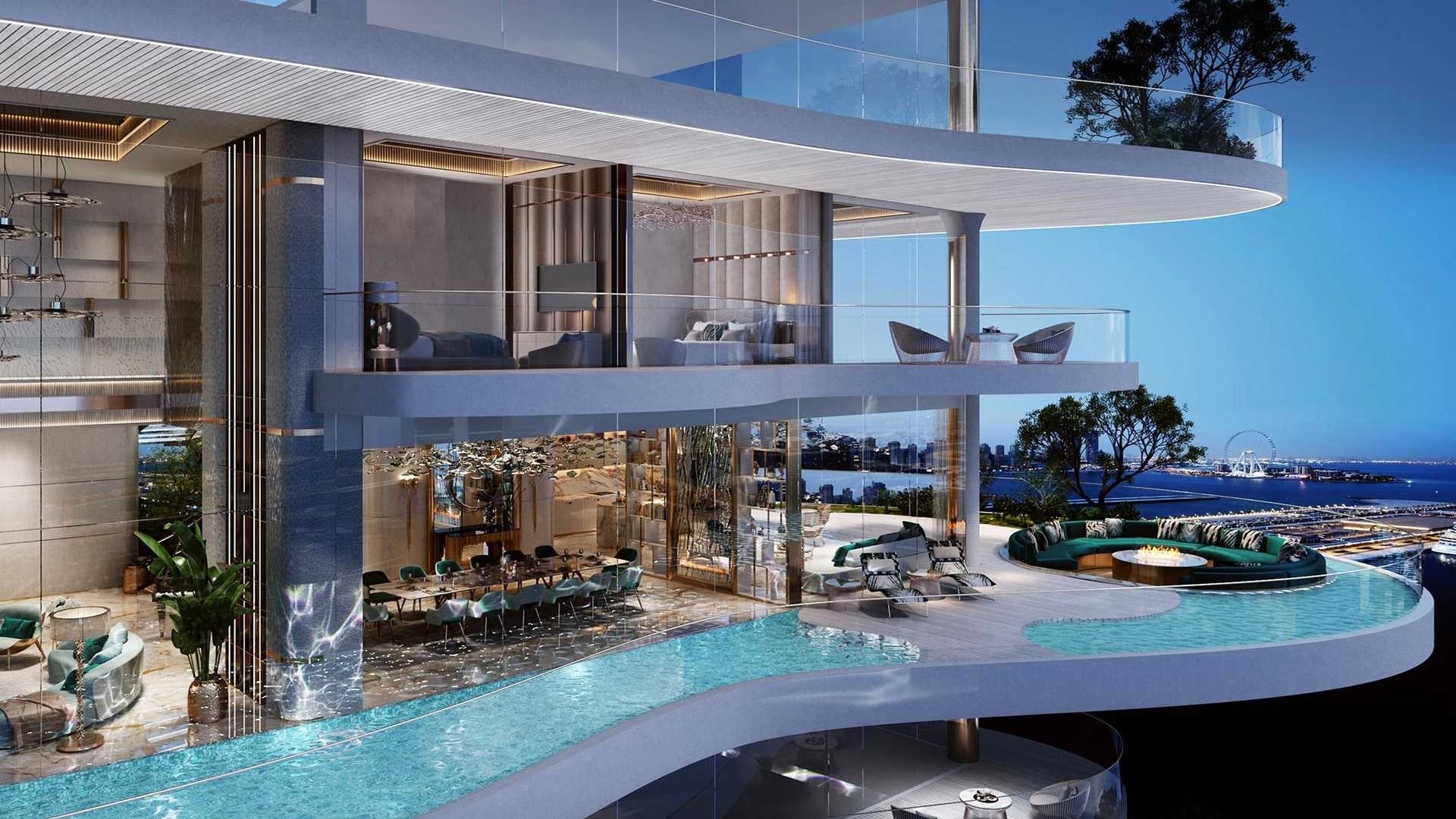
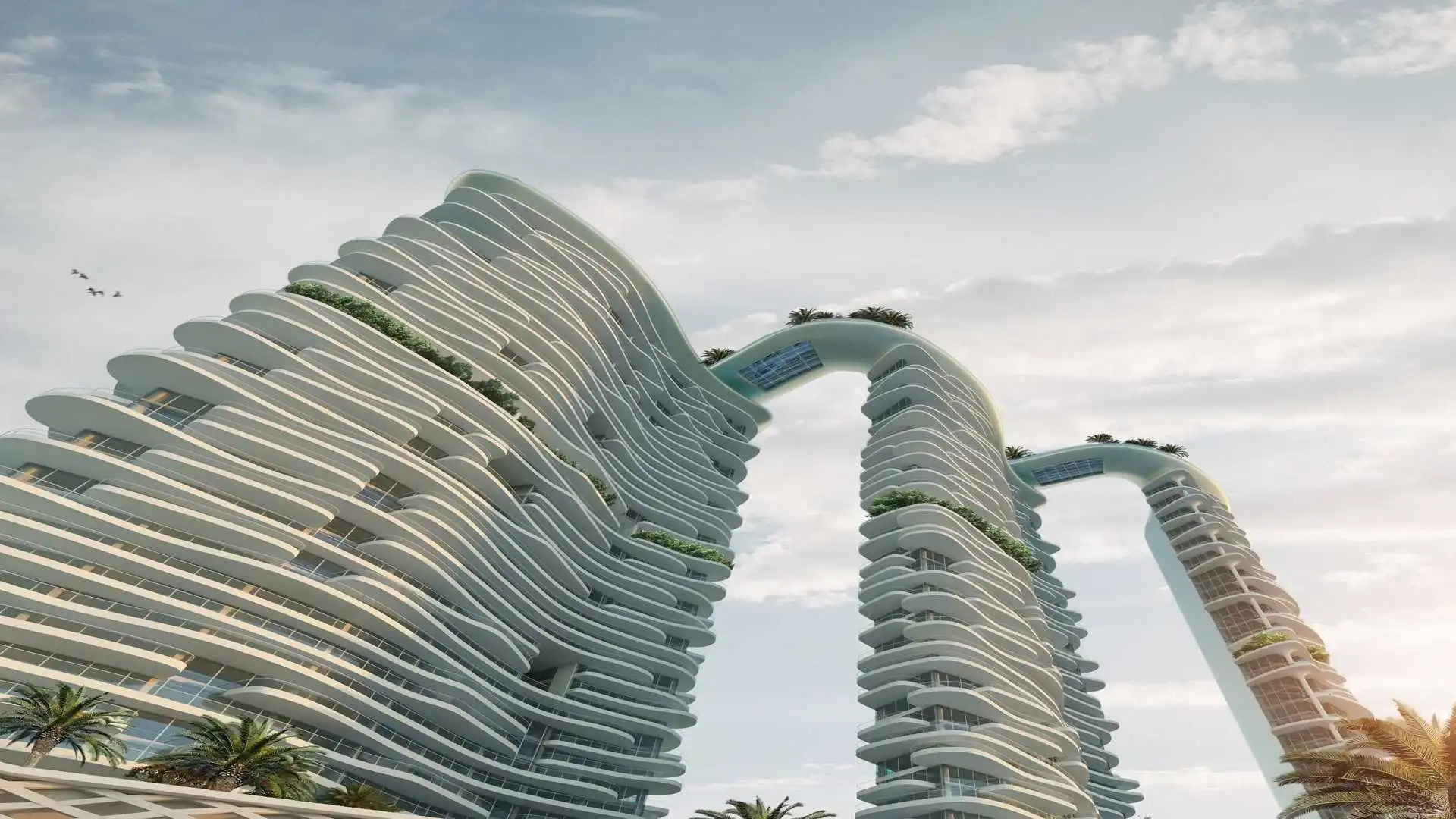
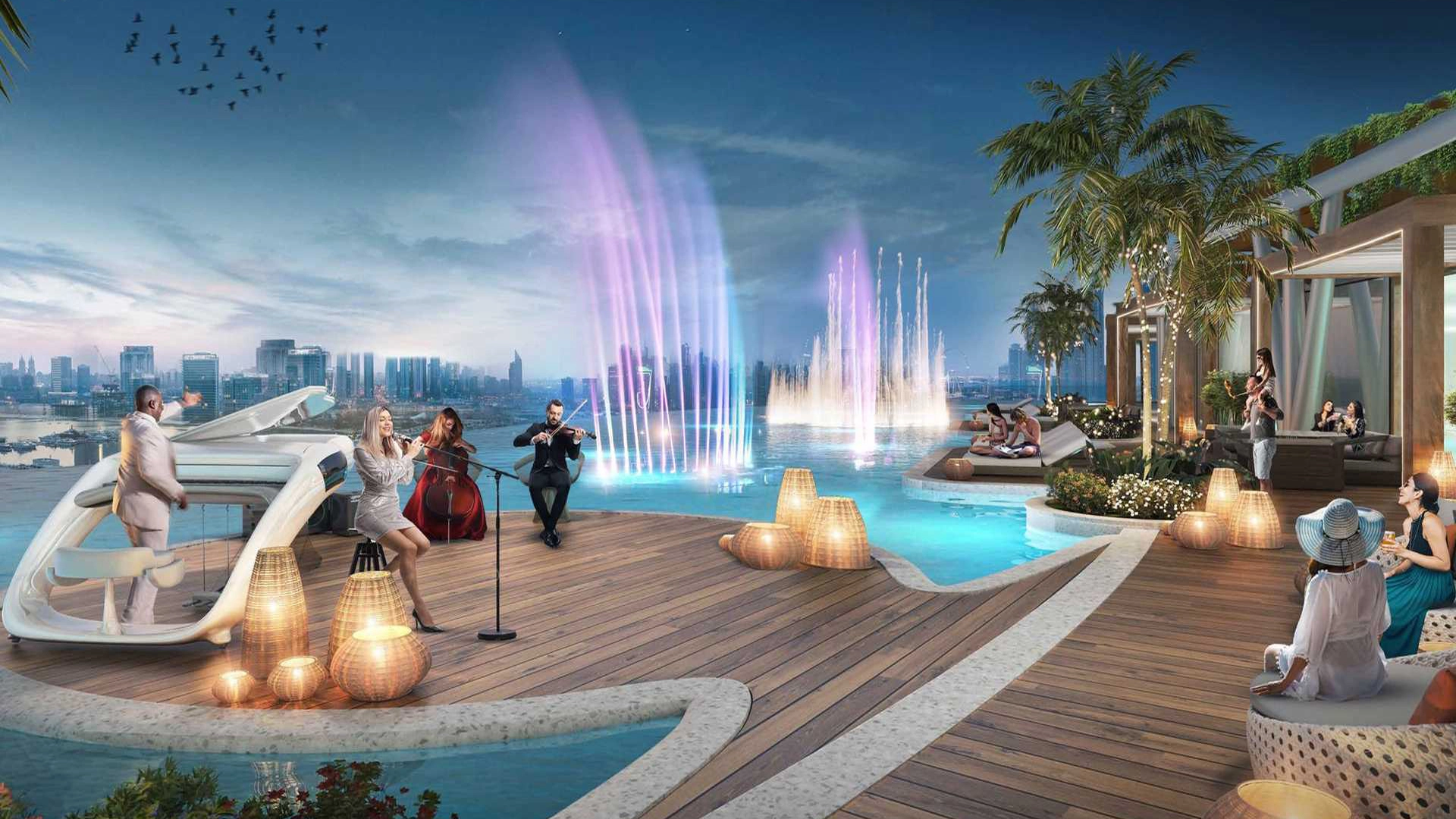
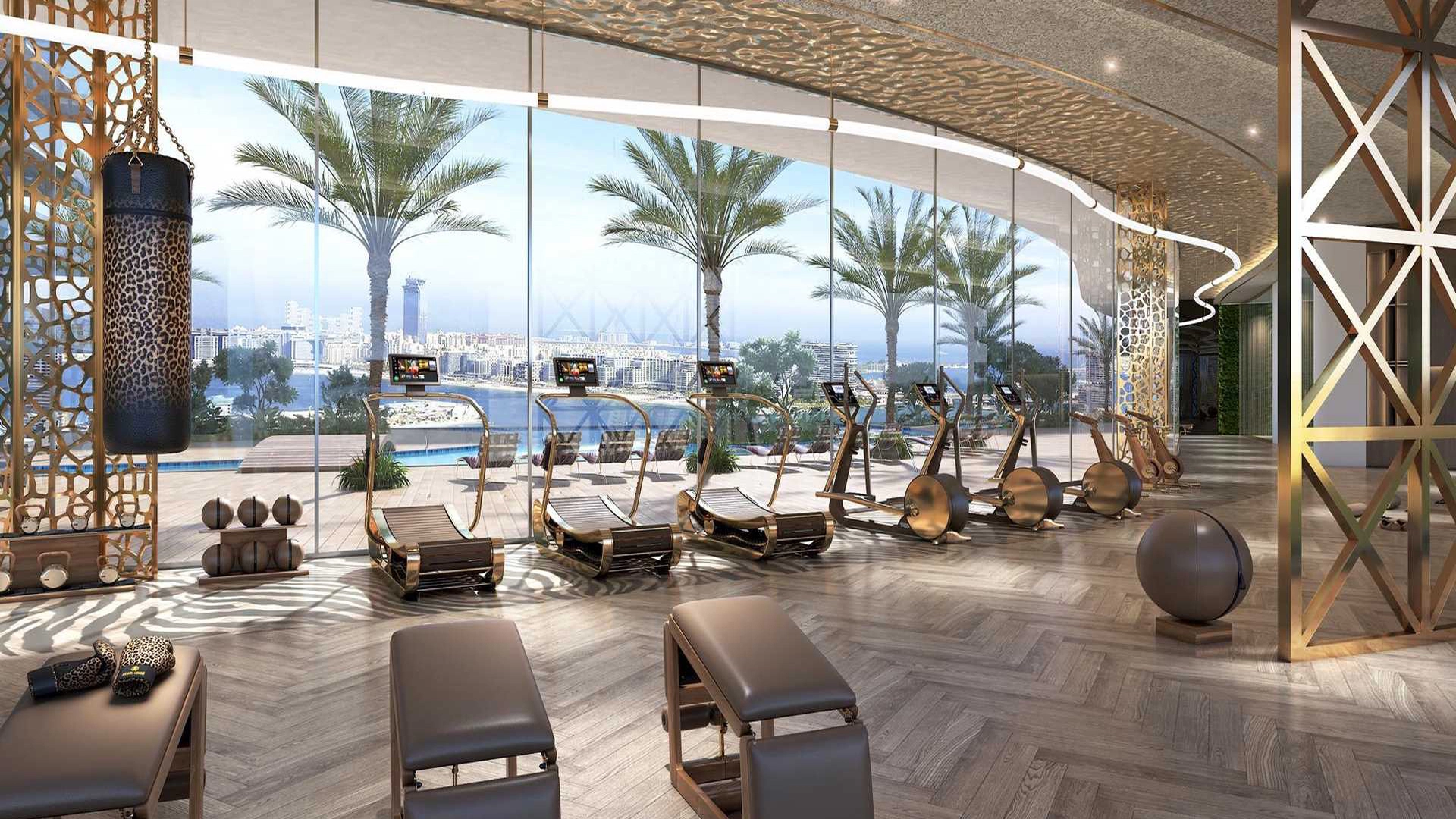
Three 42-storey towers on the Persian Gulf. Inside are 1-5 bedroom apartments, including exclusive duplex options. All residences have built-in kitchen appliances, walk-in closets and spacious balconies. Gold and marble elements are used in the finishing.
| Lots | Area from |
Price from
|
Read also: